
Peringatan energi OECD: boom AI tetap harus menghitung struktur biaya
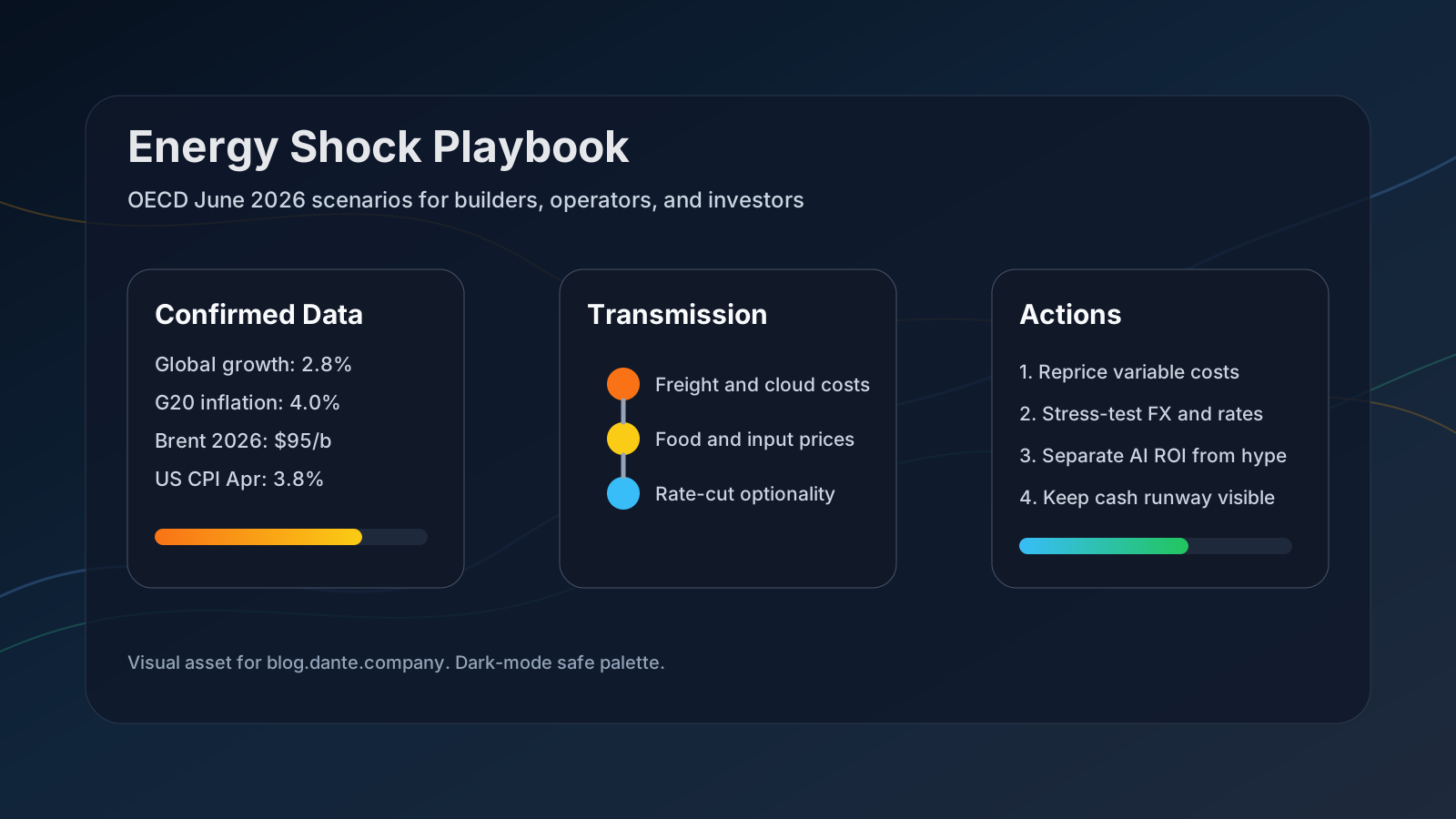
OECD membuat cerita pasar menjadi kurang sederhana: inflasi turun, suku bunga dipangkas, dan investasi AI terus menopang pertumbuhan. Dalam skenario utama, pertumbuhan global 2026 turun ke 2,8% dan inflasi G20 naik ke 4,0%.
Untuk tim kecil, yang penting adalah jalur transmisi: energi ke listrik, cloud, logistik, makanan, kurs, dan discount rate. Dampaknya bisa masuk ke arus kas lebih cepat daripada pemulihan makro.
Fakta terkonfirmasi
- OECD: global GDP growth 3.4% in 2025, 2.8% in 2026, 3.1% in 2027 under the time-limited disruption scenario.
- OECD: G20 inflation 3.4% in 2025, 4.0% in 2026, 3.1% in 2027 under the same scenario.
- OECD prolonged disruption scenario: global growth 2.1% in 2026 and 1.8% in 2027; G20 inflation 4.4% in both years.
- EIA May STEO: Brent crude averages $95/b in 2026 and $79/b in 2027, with around $106/b expected in May and June.
- BLS April CPI: +0.6% month over month and +3.8% year over year; energy +17.9% year over year. BEA April PCE price index: +3.8% year over year.
| Signal | Confirmed number | Operating read |
|---|---|---|
| OECD time-limited disruption | 2026 global growth 2.8%; G20 inflation 4.0% | Budget for slower demand and stickier costs. |
| OECD prolonged disruption | 2026 global growth 2.1%; 2027 growth 1.8% | Stress-test runway, credit, and high-multiple exposure. |
| EIA May STEO | Brent 2026 average $95/b; May-June around $106/b | Treat energy as an operating input, not a headline variable. |
| U.S. April inflation data | CPI and PCE price index both +3.8% year over year | Expect central banks to wait for cleaner evidence. |
Interpretasi
Angka ini tidak otomatis berarti kenaikan suku bunga, tetapi ruang untuk pemangkasan cepat menjadi lebih sempit jika energi merembes ke inflasi inti dan ekspektasi.
Untuk produk AI, energi menjadi isu unit economics: biaya inferensi, region cloud, listrik, dan penggunaan gratis harus diukur bersama pertumbuhan.
Sinyal narasi
Di forum dan catatan pasar, istilah stagflation lite, penundaan pemangkasan suku bunga, dan biaya listrik AI makin sering muncul. Itu bukan sumber fakta, tetapi sinyal risiko yang sedang diprioritaskan.
Efek lanjutan
- Energy importers face margin pressure when fuel and FX move together.
- The U.S. has some energy-export offset, but consumers still feel gasoline, electricity, and food.
- AI infrastructure should be judged by power procurement and efficiency, not revenue growth alone.
- Small teams should monitor cloud, payment, logistics, FX, and travel costs before they become invisible margin leaks.
Checklist
- Separate fixed costs from usage-linked costs for the next 90 days.
- Model base, 5% currency weakness, and 10% currency weakness if costs are dollar-denominated.
- Track AI inference cost per user next to conversion rate and payback period.
- Review discount-rate sensitivity and expensive growth exposure before chasing headlines.
- If pricing changes are needed, start with overage usage, high-cost regions, and premium AI features.
Risiko
Skenario optimistis tetap mungkin: jika energi dan pupuk turun lebih cepat, tekanan inflasi mereda. OECD memperkirakan penurunan tambahan 10% sejak paruh kedua 2026 dapat menaikkan pertumbuhan global 2027 sebesar 0,1 poin dan menurunkan inflasi 0,3 poin.
Penafian
Artikel ini bersifat informasi dan bukan nasihat keuangan.