
ISM 54の落とし穴: 米製造業は回復しても価格と納期が先に利益率を圧迫する
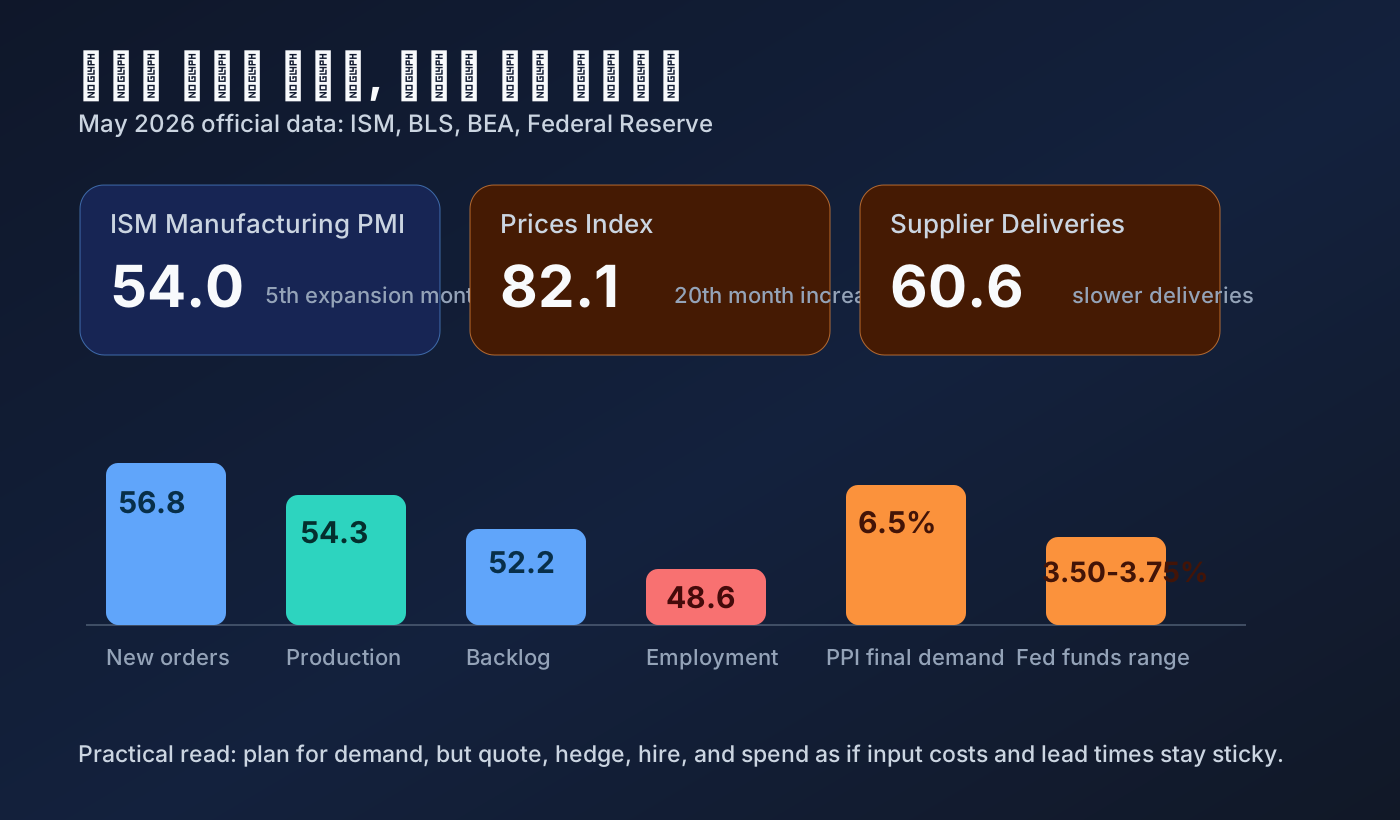
ISM製造業PMIは54.0へ上昇しましたが、価格指数82.1、供給者納期60.6、PPI 6.5%、Fed据え置きが運営判断を難しくします。
The signal is practical: demand is improving, but the operating model must still assume sticky input costs, slower deliveries, cautious hiring, and a high policy-rate floor.
確認された事実
•ISMは2026年5月の製造業PMIを54.0と発表しました。
•新規受注56.8、生産54.3、受注残52.2はいずれも拡大を示します。
•価格指数82.1、供給者納期60.6はコストと納期の圧力が残ることを示します。
•BLSは最終需要PPIが前年比6.5%、BEAはPCE物価が前年比4.1%と発表しました。
•Fedは政策金利レンジを3.50%-3.75%に据え置きました。
解釈
The headline PMI supports a constructive growth view, but the details show a more expensive recovery. When prices and delivery times remain high, revenue growth does not automatically become gross-margin expansion.
Small teams should not scale inventory, ads, or hiring on demand indicators alone. The safer move is to connect quotes, supplier terms, lead times, refunds, and cash conversion before increasing fixed cost.
Investors should read the PMI with Prices, Supplier Deliveries, Backlog, PPI, PCE inflation, and the Fed path. The question is whether orders turn into free cash flow after cost pressure.
解釈
The public market narrative will focus on manufacturing recovery. The operator narrative should focus on margin defense. AI infrastructure, electronics, machinery, and transportation equipment can see stronger demand, while power, components, freight, and cloud costs can also stay firm.
解釈
Quote windows may shorten, contracts may need freight and raw-material adjustment clauses, and inventory planning should focus on bottleneck components rather than broad stockpiling.
Marketing and growth budgets should be approved only after supply capacity, gross margin, delivery risk, and refund risk are checked. Dollar-cost-heavy teams should also stress-test FX and cloud costs.
実務チェックリスト
✓Separate revenue growth into price, volume, mix, currency, and delivery effects.
✓Track purchase cost, lead time, shipment delay, refunds, and support tickets next to orders.
✓Raise safety stock only for bottleneck and long-lead-time items.
✓Use short quote-validity windows and clear cost-adjustment clauses.
✓Stress-test cloud, ads, components, and financing under sticky inflation and a 3.50%-3.75% Fed range.
リスク
The positive interpretation is valid: PMI, new orders, and production all expanded. If energy and geopolitical pressure ease, input prices could cool.
The practical risk is expanding fixed costs too early. A recovery with expensive inputs rewards teams that adjust pricing, inventory, and cash conversion faster than headline revenue.
本稿は市場と経済に関する情報提供であり、投資助言ではありません。