
Expo Maestro: l’E2E mobile diventa un segnale operativo
Il mobile E2E va gestito, non solo scritto
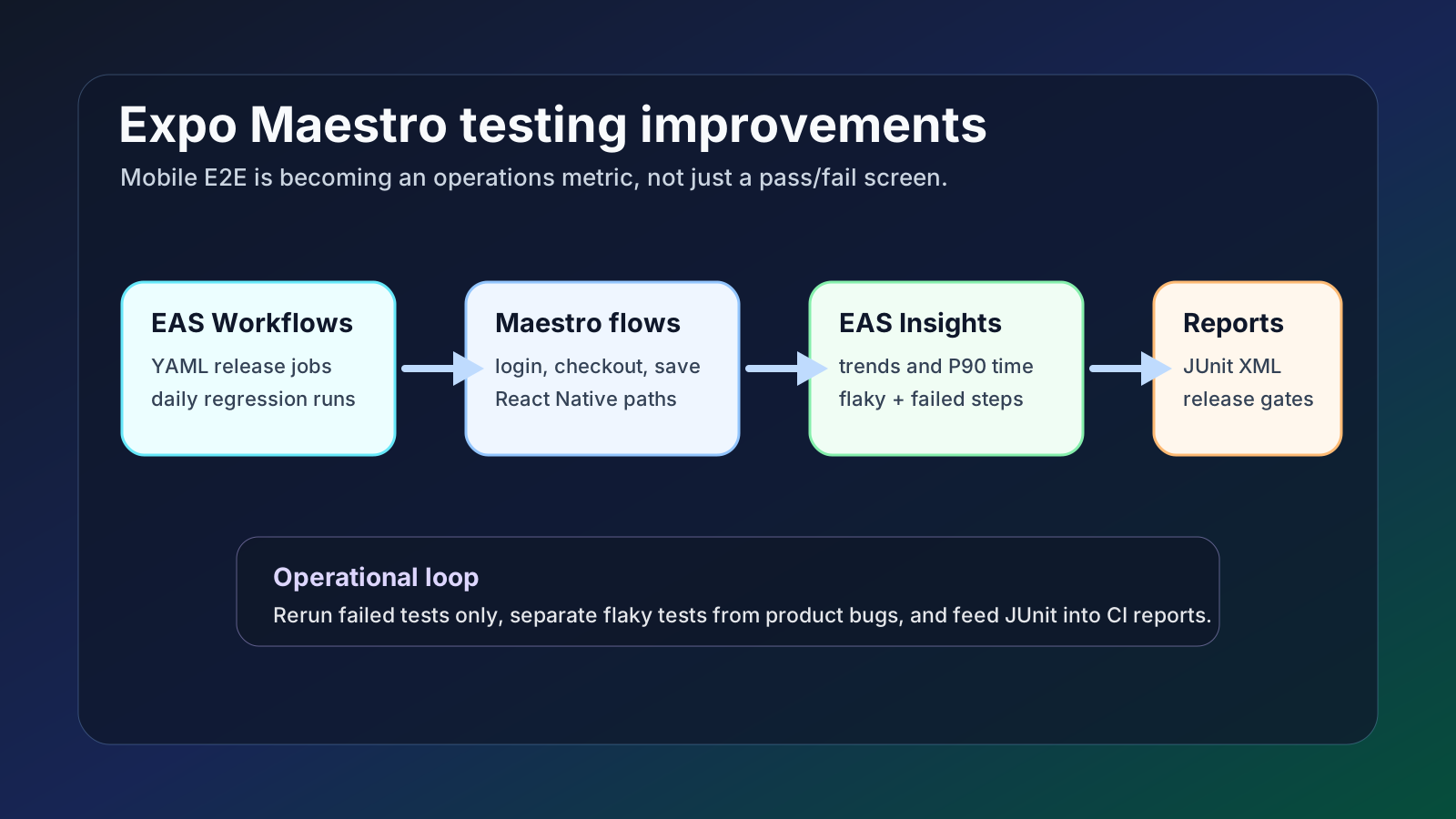
Expo ha annunciato il 24 giugno 2026 miglioramenti per Maestro in EAS: dashboard, trend, identificazione dei flaky test, analisi dello step fallito, riesecuzione solo dei test falliti e output JUnit XML.
Per team Expo e React Native il valore sta nella diagnosi. Un fallimento mobile può dipendere da codice prodotto, test fragile, stato del simulatore, permessi o rete.
EAS Insights mostra stati, tassi di pass/fail/retry/flaky e tempi, incluso P90. L’output JUnit porta i risultati nel reporting CI esistente.
Conviene partire dai flussi più rischiosi: onboarding, login, checkout, permessi push e salvataggio. I rerun parziali riducono tempo, ma vanno limitati.
Il rischio è normalizzare la flakiness. Dashboard e rerun servono solo se ci sono owner, soglie e manutenzione.
Checklist
• Pick the highest-risk user journeys first.
• Track flaky rate and failed steps, not only pass/fail.
• Connect JUnit output to the CI report your team already reads.
Sources
- Expo Changelog: Maestro testing improvements
- Expo Docs: Maestro tests with EAS Insights
- Expo Docs: End-to-end tests in EAS Workflows
- Expo Docs: EAS Workflows syntax
- Maestro Docs: React Native support
- Community signal: E2E testing tools for Expo apps
- Community signal: selecting a device for EAS Maestro tests