
US GDP was revised lower while inflation stayed hot: rate-cut hopes need a reset
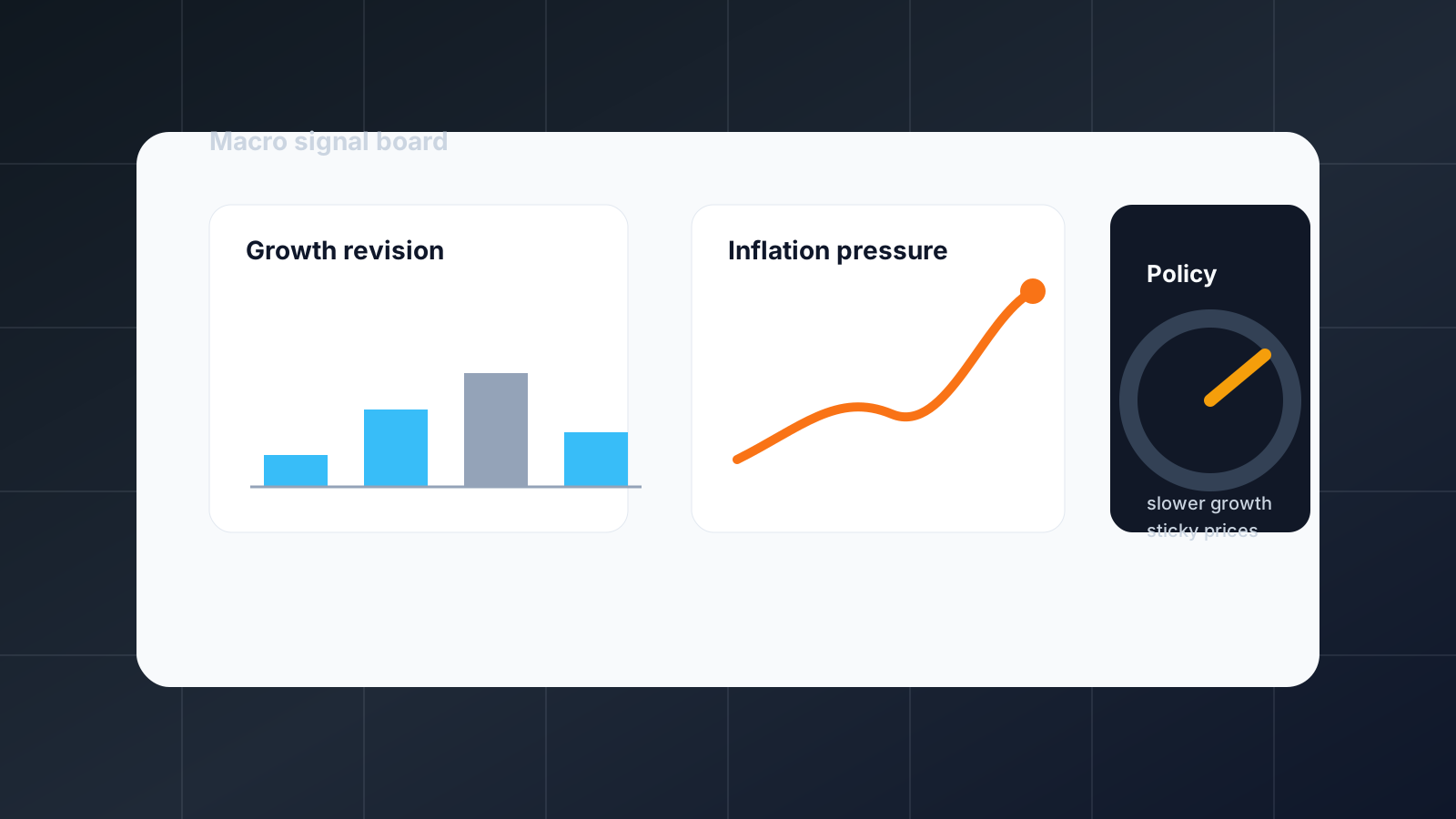
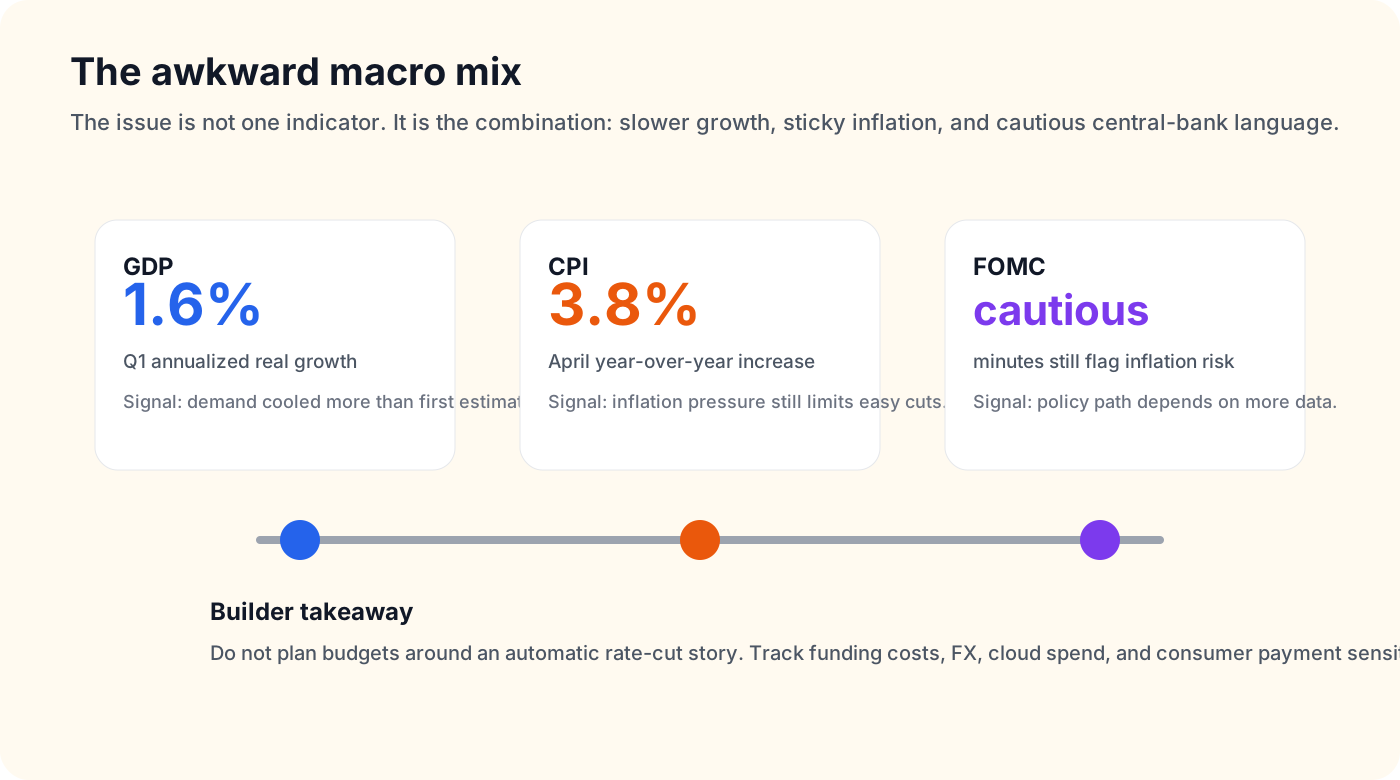
The most uncomfortable macro data for builders and investors is the kind that does not point in one direction. BEA’s second estimate put first-quarter 2026 real GDP growth at a 1.6% annual rate, down 0.4 percentage point from the advance estimate, with weaker investment and consumer spending among the revisions. At the same time, BLS reported April CPI up 0.6% month over month and 3.8% year over year. Slower growth alone could strengthen rate-cut expectations. Sticky inflation makes that story much less clean.
Community and market conversations on Reddit, Threads, and public forums reflect the same tension. Some participants read weaker GDP as a sign that monetary easing is near. Others focus on CPI and the FOMC minutes, arguing that policymakers cannot rush while inflation remains elevated. Those reactions are not sources for the numbers; they are useful signals for the narratives people may overfit.
Confirmed facts
- BEA revised Q1 2026 real GDP growth to a 1.6% annual rate.
- BLS reported April CPI up 0.6% month over month and 3.8% year over year.
- The FOMC minutes continued to frame inflation as elevated and policy decisions as data-dependent.
Why it matters
Growth weakness is usually a two-sided signal for risk assets. It can hurt revenue, hiring, and confidence, but it can also increase the probability of easier monetary policy. Higher inflation blocks the simple version of that trade. The market cannot just say “bad data is good news” if the same data set suggests the central bank still has an inflation problem.
For small teams and solo operators, the implications are practical. An uncertain rate path affects dollar funding costs, cloud bills, AI API spend, ad budgets, subscription pricing, and consumer payment sensitivity. Teams with revenue in one currency and major costs in another should watch FX and financing assumptions as closely as product metrics.
Operating checklist
- Do not make a rate-cut scenario the default budget assumption.
- Track dollar-denominated costs such as cloud, AI APIs, software, and advertising separately.
- For subscription products, watch failed payments, downgrades, and refund requests before pushing price changes.
- For portfolios, test a scenario where growth slows but inflation keeps policy restrictive.
- Read CPI, jobs data, and FOMC communication together rather than one headline at a time.
Risks and counterarguments
A single GDP revision and one CPI report do not define the cycle. Data gets revised, inflation components shift, and policy can respond quickly if labor or credit conditions weaken. The point is not that rate cuts cannot happen. The point is that planning as if they are automatic is fragile.
Bottom line
This mix sends the same message to builders and investors: optimism is possible, but it should not be the default assumption. Slower growth, sticky prices, and cautious Fed language belong in the same model when reviewing cash flow, cost structure, and pricing strategy.
Disclaimer: This article is for informational and economic interpretation purposes only. It is not financial advice.