
Working While Traveling: The Art of Time Zone Management
I once worked remotely for a German company while living in the US. The time difference was about 7-8 hours, and I initially thought "that's manageable." But it turned out to be trickier than expected. When Germany scheduled a 9 AM meeting, it was 1 or 2 AM for me. Once or twice is fine, but weekly repetition? My body couldn't handle it.
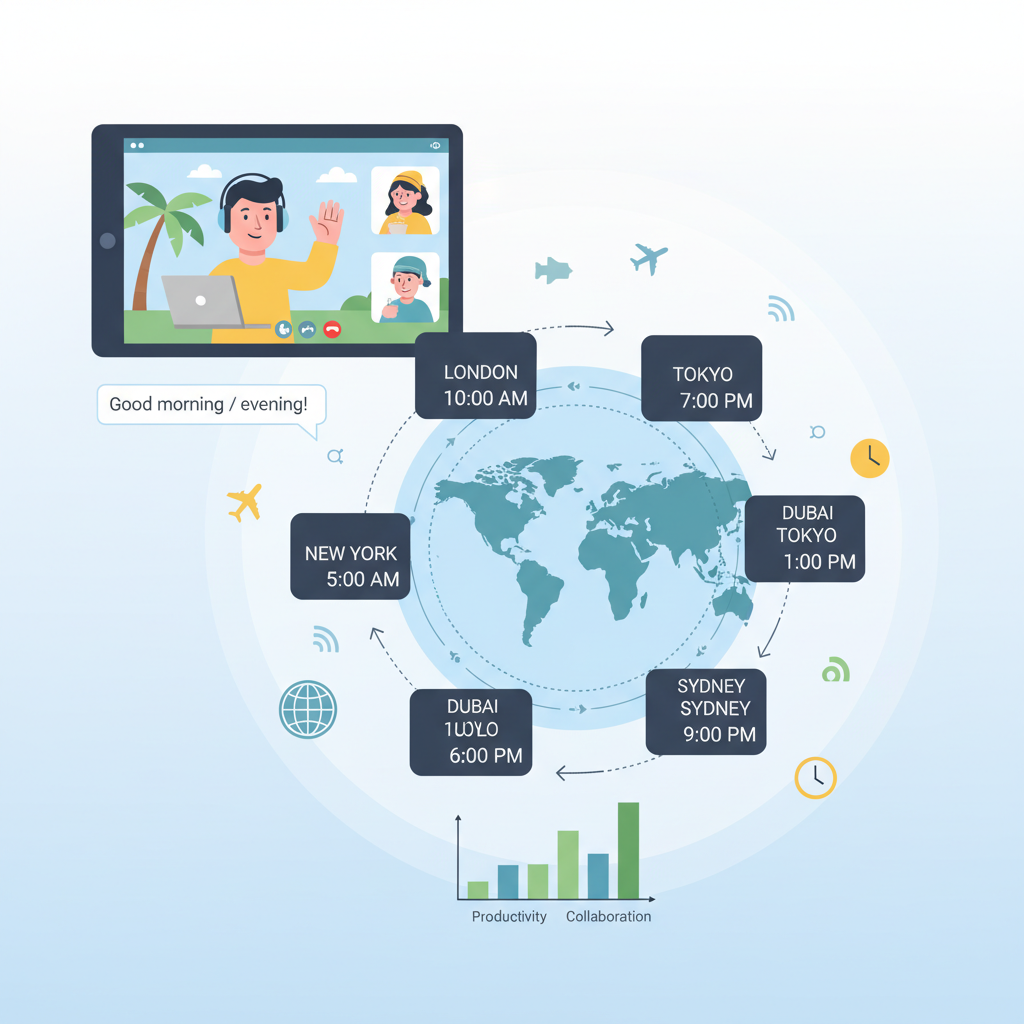
The Real Problems Timezones Create
Timezone issues in nomad life are bigger than you'd think. Working with Korean companies from Southeast Asia means just 1-2 hours difference—no big deal. But working with European companies from the US, or American companies from Asia, changes everything.
The hardest part with my German company was when "urgent issues" came up. Slack messages would pile up while I slept, and by the time I woke up, decisions were already made. I felt left out too. Team lunch conversations happened without me.
Async Communication Was the Answer
What I eventually learned was to stop obsessing over real-time communication. I started using Slack like email. No expectation of immediate replies—they'll respond when they wake up.
I minimized meetings too. Only scheduled face-to-face time for what truly required it, replaced everything else with documents. Kept detailed meeting notes so people who couldn't attend could catch up. Once the German team got used to this approach, efficiency actually improved.
Creating Overlap Time
Even with async as default, sometimes you need real-time conversation. So I established "core hours." Germany time 4-6 PM, US time 9-11 AM. I committed to being online during these hours.
Just 2 hours of daily overlap is enough. Handle urgent matters then, everything else async on our own schedules. This dramatically reduced those forced early morning wake-ups.
My Method for Jet Lag
Moving to a new timezone requires adaptation. In my experience, eastward travel is harder. Coming back to Asia from the US, I suffer from jet lag for almost a week.
To adapt faster, live according to local time immediately upon arrival. No matter how sleepy, stay up until night. Get lots of sunlight. Cut caffeine after 2 PM. The first few days feel zombie-like, but forcing yourself into the local rhythm speeds up adaptation.
It's Meaningless If You Wreck Your Health
One early morning meeting is fine. But weekly repetition isn't. Broken sleep patterns destroy focus, which ultimately degrades work quality. Then remote work loses its point.
If early morning meetings are needed more than twice a week, I'm honest about it. "Sustained work from this timezone is difficult." Most companies understand. Those that don't? They're not truly remote-friendly.
Destination Choice Is Strategic
Working with European companies? Portugal or Morocco beats Southeast Asia—only 1-2 hours difference. American companies? Mexico or Colombia work well. Don't just think about where you want to go; consider working hours when choosing destinations. Life becomes much easier.
Conclusion
Timezone management is an unavoidable challenge in nomad life. But by defaulting to async communication, securing overlap time, and adjusting without harming your health, it's totally doable. The most important thing is not pushing too hard. Being able to work from anywhere is the nomad privilege—ruining your health for it defeats the purpose.