
US consumer confidence rebounds. Will wallets open too?
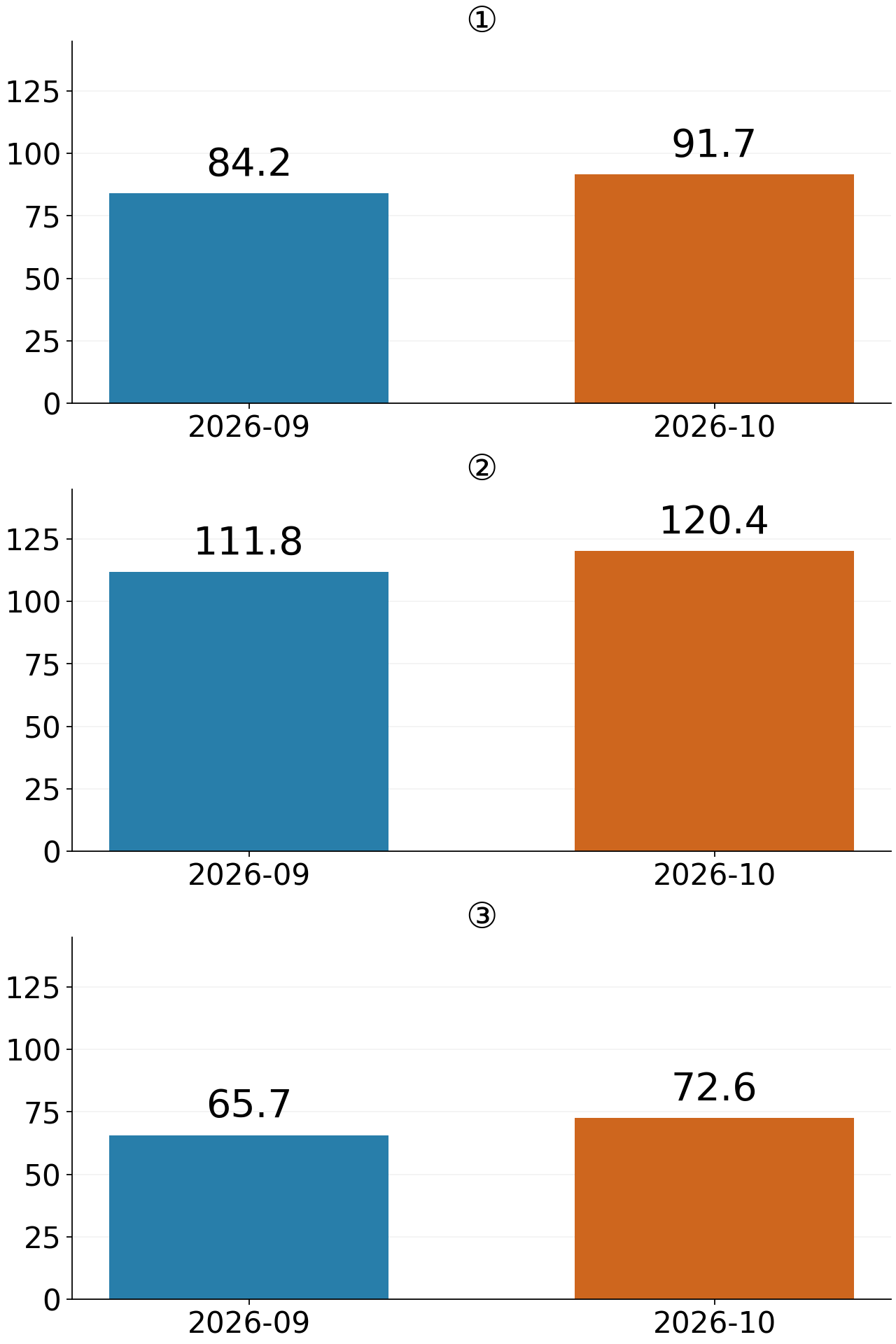
American consumers have become a little less gloomy without necessarily planning to spend more. The Conference Board reported on October 27 that October consumer confidence rose to 91.7 from a revised 84.2 in September, a gain of 7.5 points. The same release described generally weaker plans for durable goods and services over the next six months. Better feelings and an open wallet are not the same event.
Two readings behind the headline
The Present Situation Index rose 8.6 points to 120.4, while the Expectations Index increased 6.9 points to 72.6. The former assesses current business and employment conditions; the latter covers short-term prospects for income, business and jobs. Both improved, but expectations only partly reversed three preceding monthly declines.
The chart uses September comparisons from this release. Present Situation at 111.8 and Expectations at 65.7 are calculated as 120.4−8.6 and 72.6−6.9. The headline index is based on 1985=100. A reading of 91.7 does not mean 91.7% of respondents are optimistic. Follow changes within each series rather than turning index heights into population shares or probabilities.
More respondents see plentiful jobs
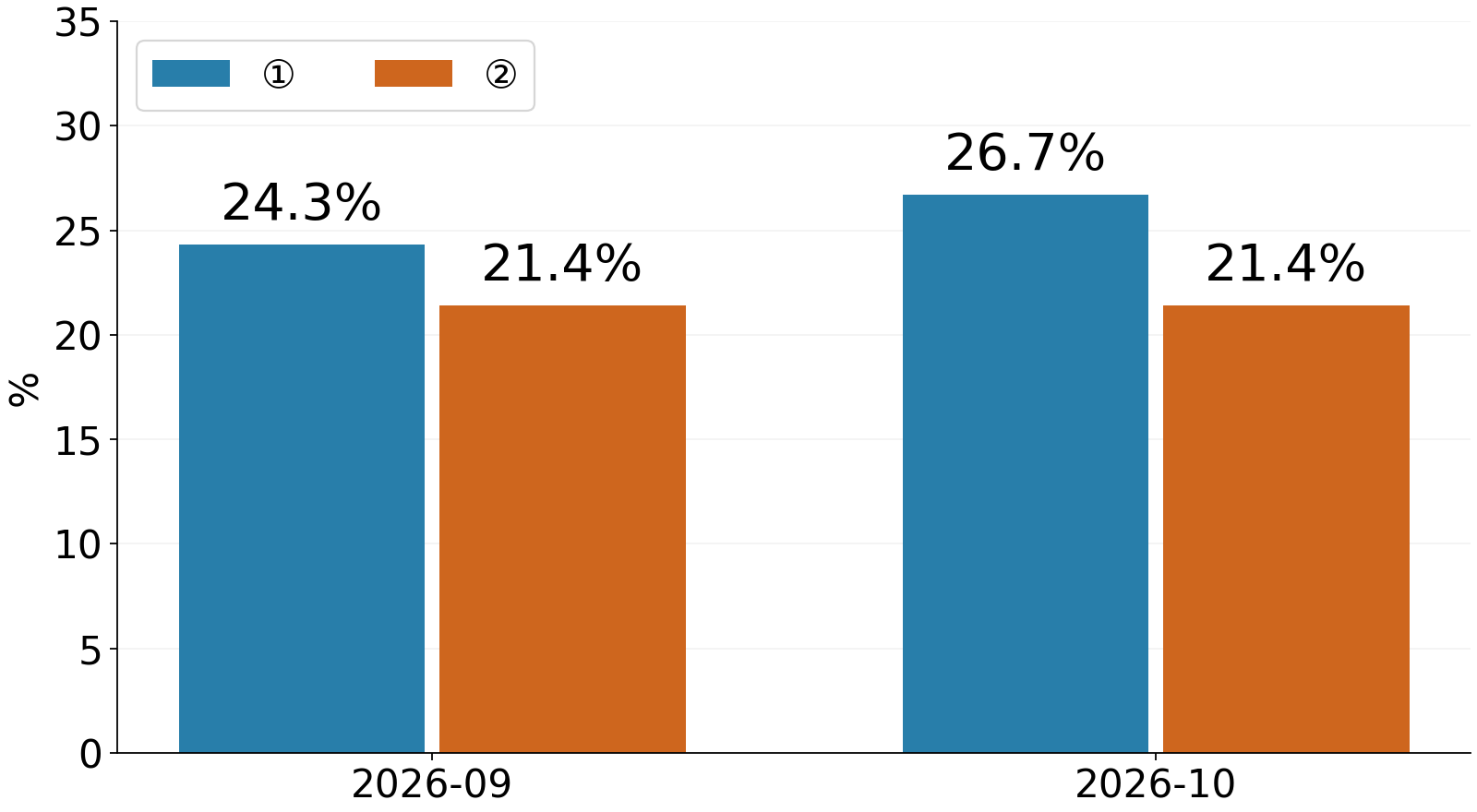
The share calling jobs plentiful increased from 24.3% to 26.7%; the share calling them hard to get stayed at 21.4%. Their difference widened from 2.9 to 5.3 percentage points, a 2.4-point improvement. That is a concrete sign of a better assessment of the current labor market.
Yet only 15.2% expected more jobs ahead, against 26.3% expecting fewer. Income expectations were more positive: 18.7% expected an increase and 12.0% a decline. A household can feel hopeful about its income while remaining cautious about hiring overall. Separating current conditions and expectations keeps that combination visible.
Relief does not immediately buy a new phone
The release highlighted retreating purchase plans for electronics such as smartphones, PCs, laptops and tablets, alongside generally lower service spending plans. Auto and home purchase plans slipped on a six-month moving-average basis. Vacation plans fell 0.9 percentage points from a revised 44.2% to 43.3%. Movies, live entertainment and sporting events were among the exceptions to broader service weakness.
One interpretation is that an already expensive cost of living can delay large purchases even as economic assessments improve. The survey publisher also linked high prices and persistent inflation to weakened purchasing power. That does not establish an equivalent decline in total consumption: these are reported plans, not a sum of completed retail transactions.
Watch whether purchases follow sentiment
The preliminary survey covered October 1–21. It is not a real-time poll incorporating every event immediately before publication on the 27th. A less pessimistic mood can arrive before purchases respond to income and price constraints. Subsequent retail-sales and consumption releases can show whether that gap narrows.
The interesting part is the combination: better current job perceptions, continuing caution about future employment and weaker large-purchase plans. Reading where consumers feel relief and where they hesitate is more useful than assigning their entire outlook one direction. This article provides economic information, not personal investment advice.