
Wages up 3.1%, benefits up 3.9%: two speeds inside US labor costs
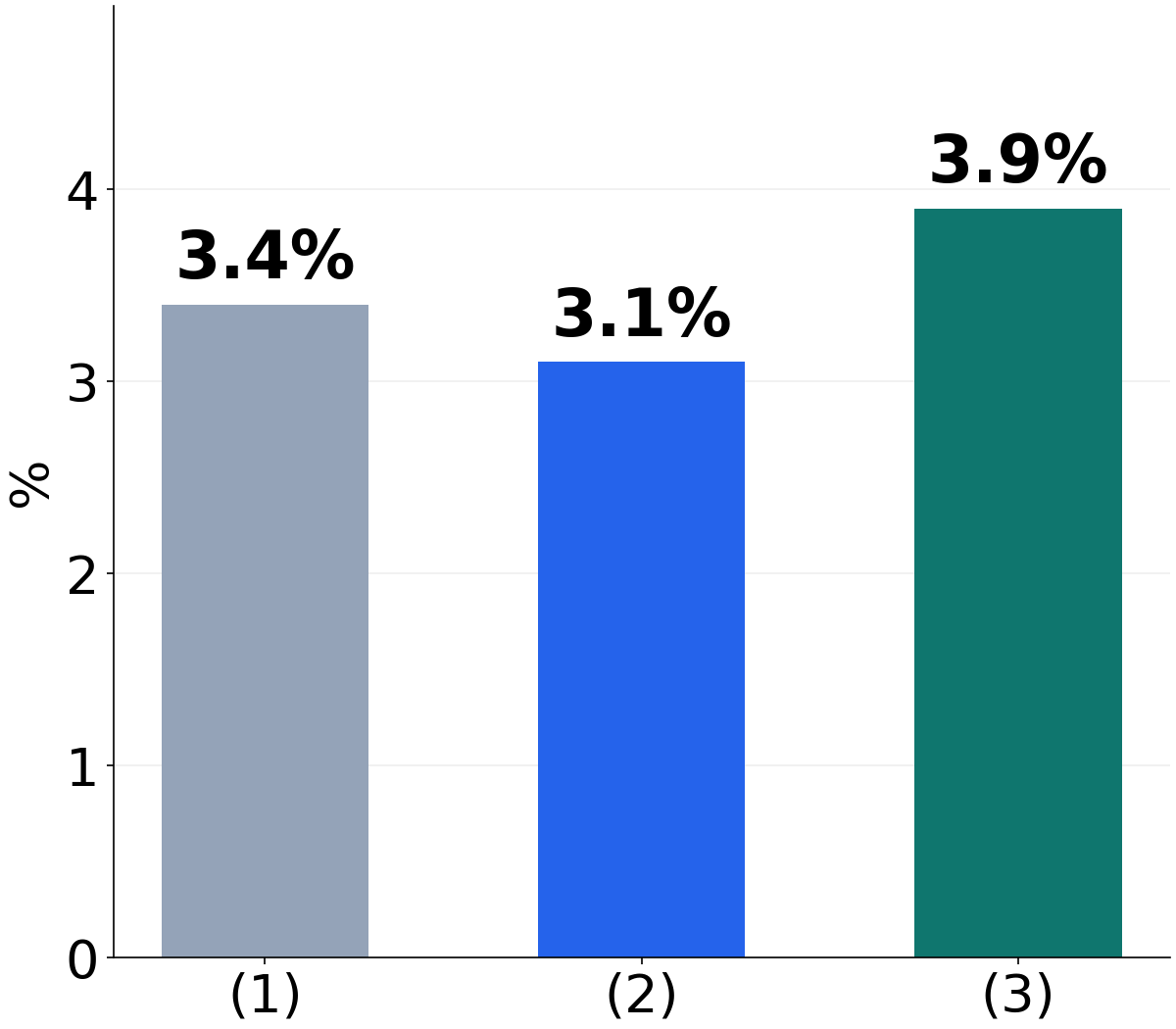
A higher labor bill does not mean the paycheck grows at the same speed. In the September Employment Cost Index released by the US Bureau of Labor Statistics on October 30, 2026, civilian workers’ total compensation costs rose 3.4% over the year. Wages and salaries increased 3.1%, while benefit costs rose 3.9%. The civilian measure combines private industry with state and local government workers.
The labor bill extends beyond the paycheck
The ECI tracks changes in the employer’s cost of labor. Alongside wages and salaries, it includes benefits such as paid leave, insurance and retirement costs. Cash pay and total compensation therefore need not rise at the same rate. A larger employer bill can include costs that do not appear as additional cash in an employee’s bank account.
The index holds occupational and industry composition fixed to distinguish cost changes from shifts toward higher-paid jobs. It does not follow an individual worker’s salary negotiation. Nor does civilian mean an average of every US worker: the scope here is private industry plus state and local government, not federal government employees or the military.
A slower quarter can coexist with accumulated annual growth
Over the three months ending September, seasonally adjusted total compensation rose 0.8%, down from 0.9% in the three months ending June. Civilian wages and salaries rose 0.7% and benefits 0.9%. Those two rates should not be added to produce a 1.6% total: compensation reflects the weights of its components.
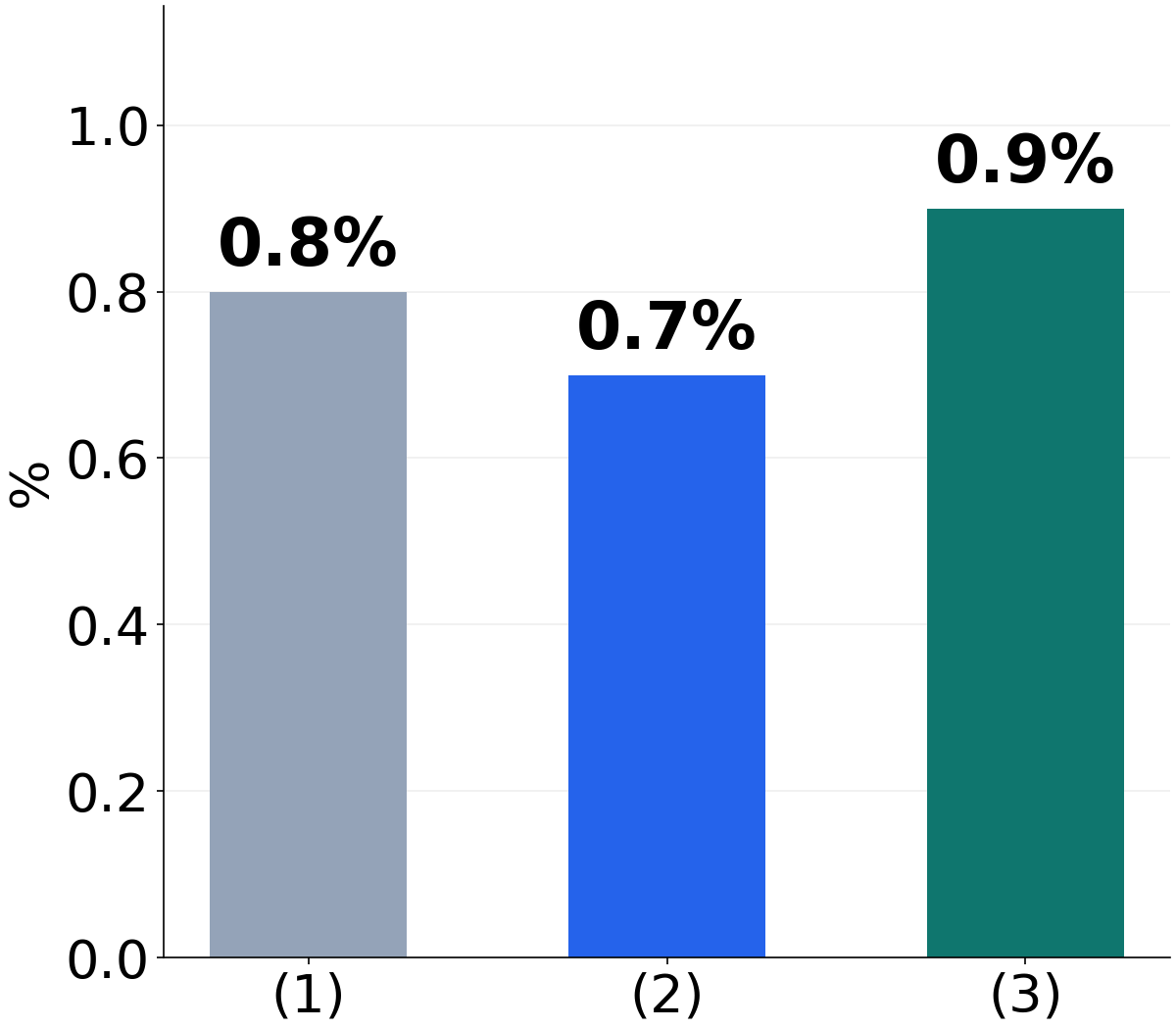
Over 12 months, total compensation increased 3.4%, wages and salaries 3.1%, and benefits 3.9%. The second chart presents that annual comparison separately. The quarterly figures are seasonally adjusted; the annual figures are not. Keeping them in separate views avoids presenting different horizons as if they were interchangeable observations.
Private-sector purchasing power needs another lens
Private industry alone also recorded annual increases of 3.4% in compensation, 3.1% in wages and salaries, and 3.9% in benefits. Yet inflation-adjusted private-sector wages and salaries fell 0.6% over the year. Nominal pay increased, but its purchasing power declined in that aggregate measure.
That helps explain how news of rising pay can coexist with a sense that money buys less. The real-wage figure covers private industry, whereas the charts cover civilian workers, so their populations differ. A 3.9% increase in benefit costs also does not establish a matching improvement in the quantity or quality of benefits enjoyed by an individual worker.
Did insurance costs squeeze out wages?
Insurance is one component of benefits; 3.9% is not an insurance-only inflation rate. This release alone cannot tell us how much medical costs reduced wage growth. Observing different growth rates and establishing that one component caused another to slow are separate claims requiring different evidence.
The useful picture is an employer’s compensation ledger beside an employee’s paycheck: they record related but different amounts. A slightly slower quarterly increase does not immediately ease the cost of living. Following wages and benefits separately in the next release will reveal more than the headline total alone. This article is for information and is not financial advice.