The Big One Fishpedia: Distinguishing Known Fish from Fish You've Caught
While developing The Big One, there is an important distinction we emphasize in the Fishpedia. Learning information about a fish and actually catching that fish yourself are two different achievements. If you assume seeing an illustration or description means it's already caught, choosing your next goal becomes difficult.
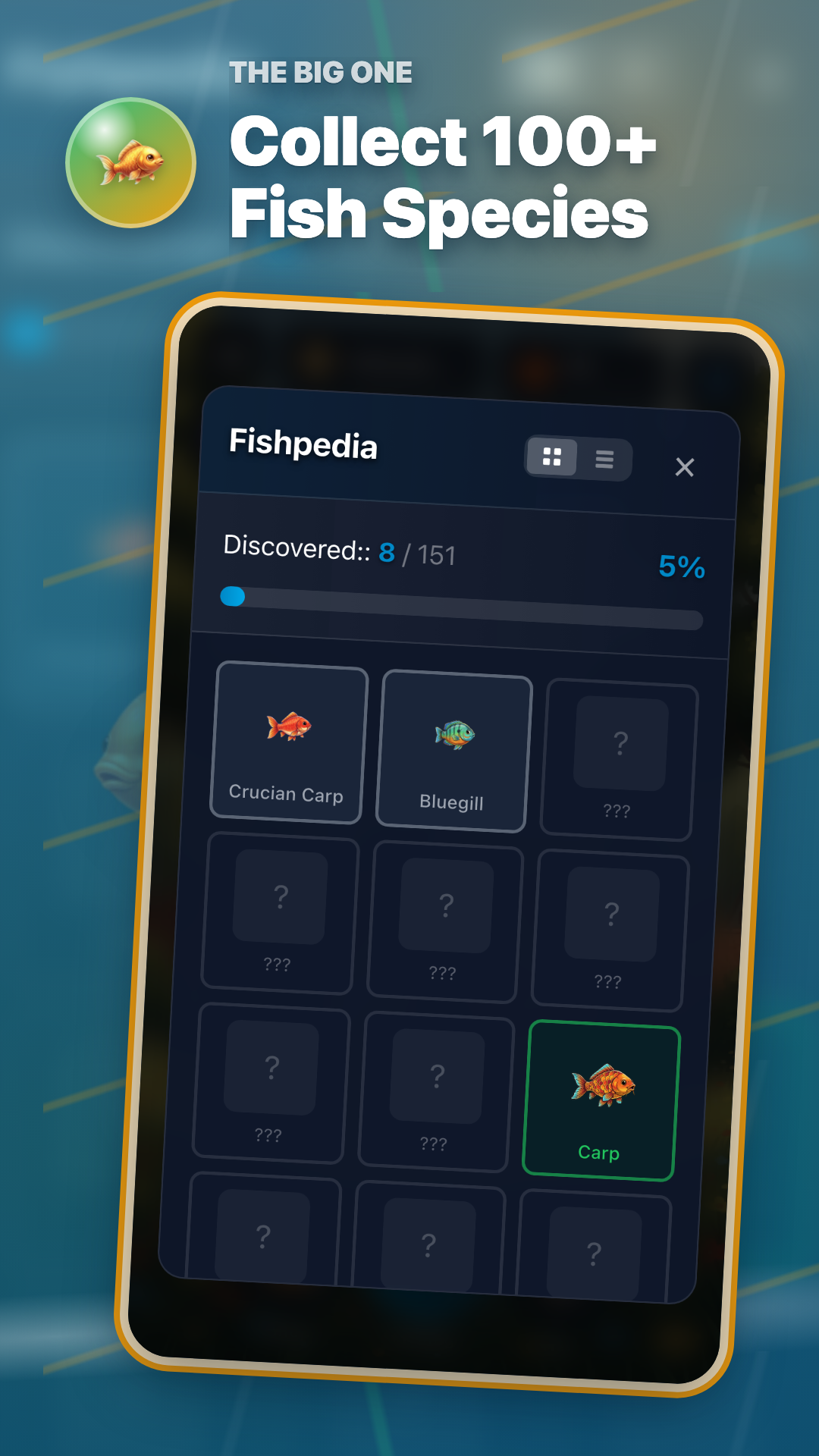
Today, instead of rushing through fishing spots or upgrading gear all at once, we introduce how to accurately read an entry in the Fishpedia. This guide is based on the current in-game Fishpedia screen and Korean display, and screen layouts may vary depending on the installed version.
Info Only and Catch Records
In the Fishpedia, there are states where you can check information about a fish, but have no catch record yet. The "Info Only" or "Uncaught" indicator shown at this time is not an error message; it is a marker distinguishing the process of learning about a species from your actual catch history.
Check both the catch count and personal best on the detail screen. The dash shown in the personal best slot for uncaught species does not mean the weight is 0. It should simply be understood as a placeholder before a record is established.
Weight Range and Personal Best Are Different Numbers
The weight range in a species description represents the characteristics of that fish, while the personal best is your own catch result. Assuming you have already caught that weight simply because a large number appears in the Fishpedia conflates the goals of collecting and beating records.
Establishing a reading order helps. First, check if there is a catch count, next verify your personal best, and finally compare it with the species' weight range. If it is still uncaught, your goal is your first catch; if you already have a record, you can choose to encounter it again and push for a new best.
What to Do in the Fishpedia Today
First, open an entry for a fish whose name you wanted to know. Second, check whether you only have info or if you also have a catch record. Third, choose the experience you want this time between a first catch and breaking a personal best.
Gaining information is itself part of the fun of preparing for your next fishing trip. However, confirming clues does not guarantee an immediate catch. Reading the Fishpedia is a process that assists your next decision, but casting, waiting for a bite, hooking, and reeling in must still be done directly by you.
Splitting Notes for the Two Goals
If your goal is a first catch, your notes can be simple. Just jot down the fish's name and the fact that you have no catch record yet. Even if you catch other fish, check those results separately so you do not confuse them with whether you caught your target species.
If your goal is breaking a record, check your current personal best first. Even if you catch the same species this time, the record might not change. Searching for new species to collect and challenging yourself to catch the same species again are both enjoyable, but the boxes confirming their success are different.
From Checking the Fishpedia to Actual Fishing
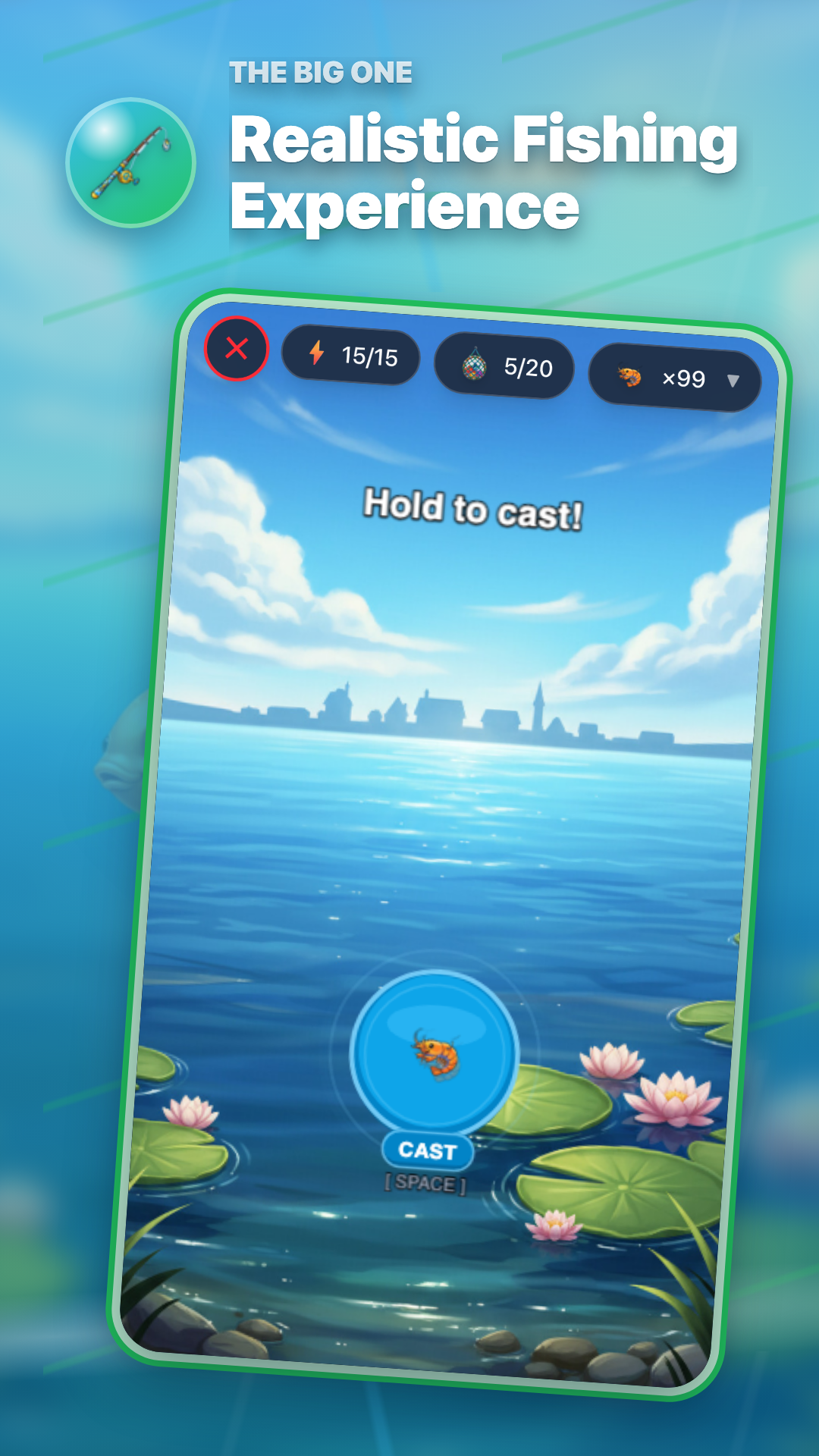
Cast your line, wait, and react to a bite, just like in the fishing scene below. Once you complete the catch, return to the Fishpedia and review that species' catch count and personal best. That is the moment where the goal set on the info screen connects with your actual results.
There is no need to rush to complete the entire Fishpedia from the start. Enjoy today as a day to catch a fish you know about, and next time as a day to look back on records of fish you've already caught. The Big One is available on Google Play and the App Store.
Related articles
- The Big One Fish Sage Guide: Buy a Clue, Still Catch It Yourself
- Use Fishpedia Search and Filters to Pick Your Next Catch